Source sinotruk howo cabin truck saddle for Construction, Mining, and Logistics
Find 30 listings for the sinotruk howo cabin truck saddle to compare specifications like wheel base and axle capacity. Buyers can evaluate options from manufacturers in Shandong, China, with ISO9001 certification and negotiable pricing.
Key considerations
Products List






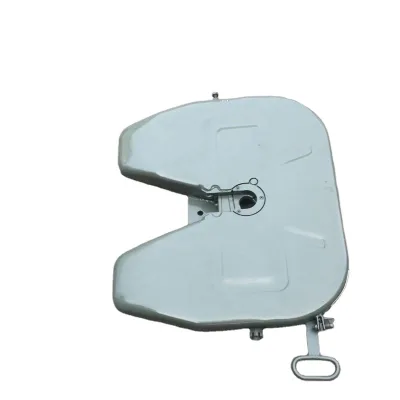
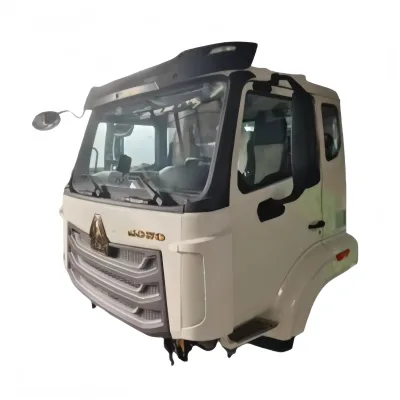
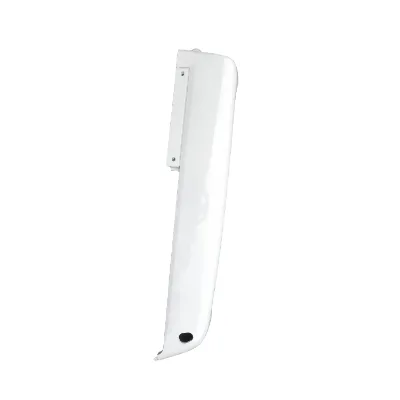


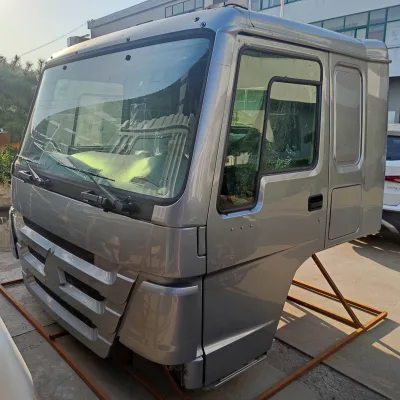
Comprehensive Sourcing Guide
Strategic Sourcing Guide for Sinotruk HOWO Truck Cabins
Understanding the Product Category and Core Specifications
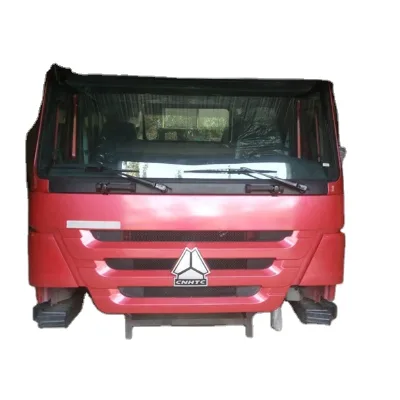
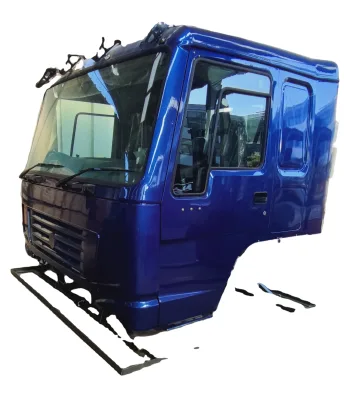
When sourcing components for heavy-duty commercial vehicles, precision in identifying the specific cabin assembly is paramount. The core keyword "Sinotruk HOWO cabin truck saddle" directs attention to the structural and functional components of the driver's compartment, specifically focusing on the cabin assembly and its mounting interface. Based on available market data, the Sinotruk HOWO cabin is a distinct product category characterized by a robust steel construction designed for durability in demanding environments. The product is identified as a "Sinotruk Parts" item, specifically categorized under "Cabin Assembly" and "Spare Parts Truck Cabin."
The physical dimensions of these cabins are critical for compatibility and fitment. The standard size is listed as 15257301063mm, which serves as a baseline for logistical planning and storage requirements. The material composition is explicitly steel, ensuring the necessary rigidity and safety standards required for heavy transport applications. The structure is defined as a "Load-bearing Body," indicating that the cabin is not merely a shell but an integral part of the vehicle's chassis integrity. This structural role necessitates careful evaluation of the mounting points, often referred to in industry parlance as the "saddle" or mounting interface, which connects the cabin to the truck frame.
The wheel base for the associated vehicle platform is noted as 3800+1350mm, and the wheel track is specified as Front/Rear 2070/1820mm. These dimensions are essential for verifying that the cabin matches the specific chassis configuration of the truck. The tare weight of the vehicle platform is recorded at 12270kg, with front axle loading capacity at 9000kg and rear axle loading capacity at 2x16000kg. While these figures describe the truck's capacity, they inform the load-bearing requirements of the cabin structure itself. The cabin is designed for the "HOWO Cab" configuration, and the product name is frequently listed as "Sinotruk HOWO 340 Cab" or simply "Sinotruk howo cabin."
Technical Compliance and Certification Verification
In the B2B procurement of automotive parts, particularly for heavy-duty trucks, verifying compliance with international standards is a non-negotiable step. The Sinotruk HOWO cabin products observed in the market carry the ISO9001 certification. This certification indicates that the manufacturing process adheres to specific quality management system standards, which is a strong indicator of consistent production quality. However, buyers must treat this as a verified attribute of the specific listings observed rather than a universal guarantee for every potential supplier.
The product standards are further defined by the specific model numbers and part codes associated with the cabin. The model number WG1560161130 is a specific identifier for the cabin assembly, while other references include part numbers like AZ1662511016 and OEM codes such as hw76. These alphanumeric codes are the primary method for ensuring part compatibility. The "Truck Model" compatibility list includes JieFang, Shacman, Howo, Steyr, Dongfeng, Foton, and others, suggesting that while the cabin is branded for Sinotruk, the sourcing guide must emphasize the importance of cross-referencing these codes against the specific vehicle in question.
The installation method is specified as "Weld-on," which implies a permanent or semi-permanent attachment to the chassis. This technical detail requires the buyer to verify the welding standards and the structural integrity of the mounting points. The finish is described as "Painted," and the style is noted as "Custom Style," suggesting that surface treatments may vary. Buyers should verify the specific paint quality and corrosion resistance standards, as these are critical for the longevity of the cabin in various climates, particularly in the main markets of South Asia, South America, and South Africa.
Cost Drivers and Pricing Dynamics
The pricing landscape for Sinotruk HOWO cabins is characterized by significant variability. The observed listed price range in the market spans from 1 to 9000 USD. This wide range is not indicative of a single product but rather reflects the diversity of offerings, which can include complete cabin assemblies, partial components, or different levels of customization. The "Price" attribute is explicitly listed as "negotiable," which is a standard practice in the heavy equipment industry where final costs depend on volume, shipping, and specific configuration requirements.
Several factors drive the cost of these cabins. First, the "Customization" availability allows buyers to request specific modifications, which naturally increases the unit cost compared to standard off-the-shelf units. The "Nude" packing method suggests that the product is shipped without extensive protective packaging, which may reduce shipping costs but requires the buyer to arrange for additional protective measures during transit. The "Single item" selling unit indicates that the minimum order quantity (MOQ) is often one, providing flexibility for small-scale procurement or replacement needs.
The weight of the product is listed as "standard," which influences freight costs. Since the cabin is made of steel and is a large, heavy component, logistics costs can be a significant portion of the total landed cost. Buyers should anticipate that the final price will be a function of the base product cost, customization fees, and international shipping charges. The "MOQ" of 1 allows for trial orders, but bulk purchasing may offer better leverage in price negotiations. The "Selling Units" being a "Single item" reinforces the flexibility of the market, allowing buyers to source exactly what is needed without being forced into large inventory commitments.
Typical Applications and Market Compatibility
The Sinotruk HOWO cabin is designed for a wide range of heavy-duty applications, primarily in the construction, mining, and long-haul logistics sectors. The "Application" is explicitly listed as "howo," but the broader "Truck Model" compatibility extends to other major Chinese truck brands like Shacman, Dongfeng, and Foton. This versatility makes the cabin a valuable component for fleets that operate mixed-brand vehicles or require interchangeable parts for maintenance.
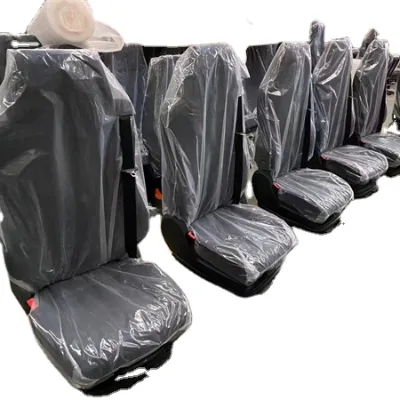
The "Main Market" data points to South Asia, South America, and South Africa as the primary regions of demand. These regions often feature challenging road conditions and harsh climates, necessitating the robust "Load-bearing Body" structure and the durable "Steel" material of the cabin. The "Air Seat" feature is noted as "Has," indicating that these cabins are equipped with suspension seats for driver comfort during long hauls, a critical feature for operator retention and safety in these markets.
The "Placement" of the cabin is "Front," which is standard for heavy-duty trucks. The "Structure" being a "Load-bearing Body" means the cabin is integral to the vehicle's safety and stability. In applications involving heavy loads, such as dump trucks or tractors, the cabin must withstand significant vibration and stress. The "Custom Style" attribute suggests that buyers can find cabins tailored to specific regional preferences or operational requirements, such as enhanced ventilation or specific interior layouts.
Supplier Evaluation and Verification Protocols
Evaluating suppliers for Sinotruk HOWO cabins requires a rigorous approach to verify authenticity and reliability. The "prod_origin" is listed as "Shandong, China," which is a major hub for heavy truck manufacturing. Buyers should verify that the supplier is located in this region or is an authorized distributor with direct access to the manufacturing facilities. The "Brand Name" is consistently listed as "SINOTRUK" or "SINOTRUK HOWO," and buyers must ensure that the branding on the product matches these official identifiers to avoid counterfeit parts.
Communication channels are a critical part of supplier evaluation. The observed contact methods include Skype IDs such as "chinavehicle1" and "ninajoshua1," as well as WhatsApp numbers like "+86 15628763611." While these are specific contact points, buyers should treat them as examples of communication channels rather than exclusive recommendations. The "Compatibility" is listed as "International," suggesting that suppliers are accustomed to dealing with global buyers. However, buyers should verify the supplier's ability to handle international logistics, customs clearance, and after-sales support.
The "Condition" of the product is listed as "New," which is a standard expectation for new procurement. Buyers should explicitly confirm the condition of the cabin upon delivery, as "New" can sometimes be misinterpreted in the context of refurbished or remanufactured parts. The "OEM" code "hw76" and other part numbers should be cross-referenced with the supplier's documentation to ensure that the parts are genuine OEM components rather than aftermarket reproductions.
Quality Control and Long-Term Procurement Strategy
Implementing a robust quality control (QC) strategy is essential for ensuring the longevity and safety of the Sinotruk HOWO cabin. The "Installation Method" being "Weld-on" requires that the welding quality be inspected for defects such as cracks, porosity, or incomplete fusion. Buyers should request weld inspection reports or conduct third-party inspections upon receipt of the goods. The "Finish" being "Painted" necessitates a check for uniformity, adhesion, and resistance to chipping or peeling, especially given the "Custom Style" variations that may involve different paint formulations.
Long-term procurement considerations involve building a relationship with suppliers who can provide consistent quality and timely delivery. The "Price" being "negotiable" allows for the establishment of long-term contracts that can lock in favorable rates. The "MOQ" of 1 provides flexibility for initial orders, but buyers should plan for larger volumes to optimize shipping and reduce per-unit costs. The "Standard" size of 15257301063mm should be verified against the specific vehicle requirements to avoid fitment issues that could lead to costly delays.
The "Certification" of ISO9001 is a key indicator of quality management, but buyers should also verify if the supplier holds additional certifications relevant to the automotive industry, such as IATF 16949. The "Material" being "Steel" should be verified for grade and thickness to ensure it meets the structural requirements of the specific truck model. The "Weight" being "standard" should be confirmed to ensure that the cabin does not exceed the vehicle's payload capacity or alter the center of gravity in a way that affects stability.
Comparative Analysis of Cabin Specifications
To facilitate decision-making, the following table summarizes the key specifications observed for the Sinotruk HOWO cabin. This comparison highlights the critical attributes that buyers should verify during the sourcing process.
| Attribute | Observed Value | Verification Requirement |
|---|---|---|
| Product Type | Cab / Cabin Assembly | Confirm exact model number (e.g., WG1560161130) |
| Material | Steel | Verify steel grade and thickness |
| Dimensions | 15257301063mm | Measure against vehicle chassis specifications |
| Structure | Load-bearing Body | Inspect weld quality and structural integrity |
| Installation | Weld-on | Confirm welding standards and tools required |
| Finish | Painted | Check for corrosion resistance and paint uniformity |
| Certification | ISO9001 | Verify current certificate validity |
| Origin | Shandong, China | Confirm supplier location and manufacturing capability |
| Condition | New | Inspect for signs of wear or damage |
| Compatibility | International | Cross-reference with specific truck models (JieFang, Shacman, etc.) |
| MOQ | 1 | Assess volume requirements for cost optimization |
| Packing | Nude | Plan for additional protective packaging if needed |
This table serves as a checklist for buyers to ensure that all critical specifications are met before finalizing a procurement decision. By systematically verifying each attribute, buyers can mitigate the risks associated with sourcing heavy-duty truck components and ensure that the Sinotruk HOWO cabin meets the rigorous demands of their operations. The "Custom Style" and "Customization" options offer further flexibility, but these should be clearly defined in the purchase order to avoid misunderstandings regarding the final product configuration.
FAQs
What is the material used for the Sinotruk HOWO cabin?
The cabin is constructed from steel to ensure structural rigidity and safety. This load-bearing body design meets the demands of heavy-duty transport applications in various climates.
Which certification does the Sinotruk HOWO cabin hold?
The product carries ISO9001 certification to indicate adherence to quality management standards. Buyers should verify this specific attribute for each listing as it reflects the manufacturing process.
How is the Sinotruk HOWO cabin installed on the truck?
Installation requires a weld-on method to attach the cabin permanently to the chassis. This structural approach ensures the cabin acts as an integral part of the vehicle's frame integrity.
Can the Sinotruk HOWO cabin be customized for specific needs?
Customization is available for buyers requiring specific modifications or styles. This flexibility allows for tailored solutions while maintaining the standard steel construction and load-bearing capabilities.
What is the minimum order quantity for the Sinotruk HOWO cabin?
The minimum order quantity is one single item, allowing for flexible procurement. This low MOQ supports small-scale replacement needs without forcing large inventory commitments on buyers.
Where is the Sinotruk HOWO cabin manufactured?
The product originates from Shandong, China, a major hub for heavy truck manufacturing. Buyers should verify supplier locations in this region to ensure authenticity and direct access to production.
What is the standard size of the Sinotruk HOWO cabin?
The standard size is 1525 by 730 by 1063 millimeters for logistical planning. This dimension serves as a baseline for compatibility checks against specific vehicle chassis configurations.